Diurnal Variations in Risk Tolerance: Patterns Across Slot Spins, Poker Hands, and Sports Wagers
Cameron Long · Sep 20, 2026
Diurnal Variations in Risk Tolerance: Patterns Across Slot Spins, Poker Hands, and Sports Wagers
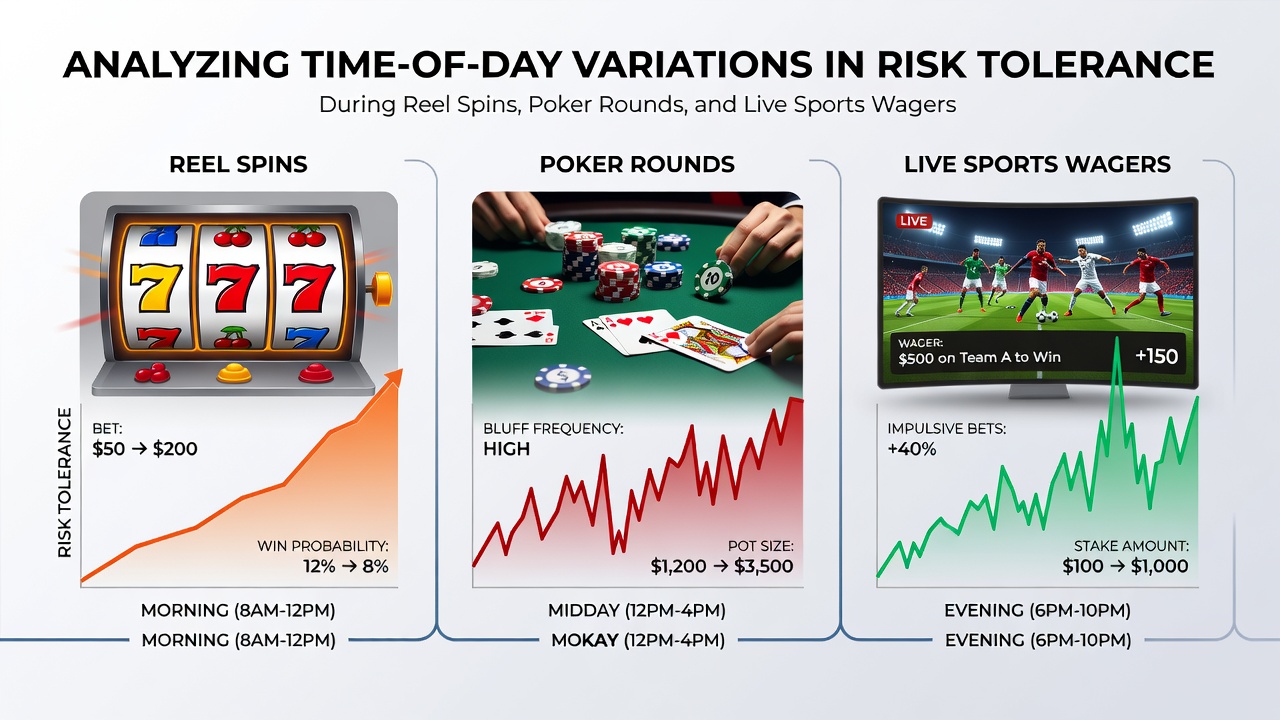
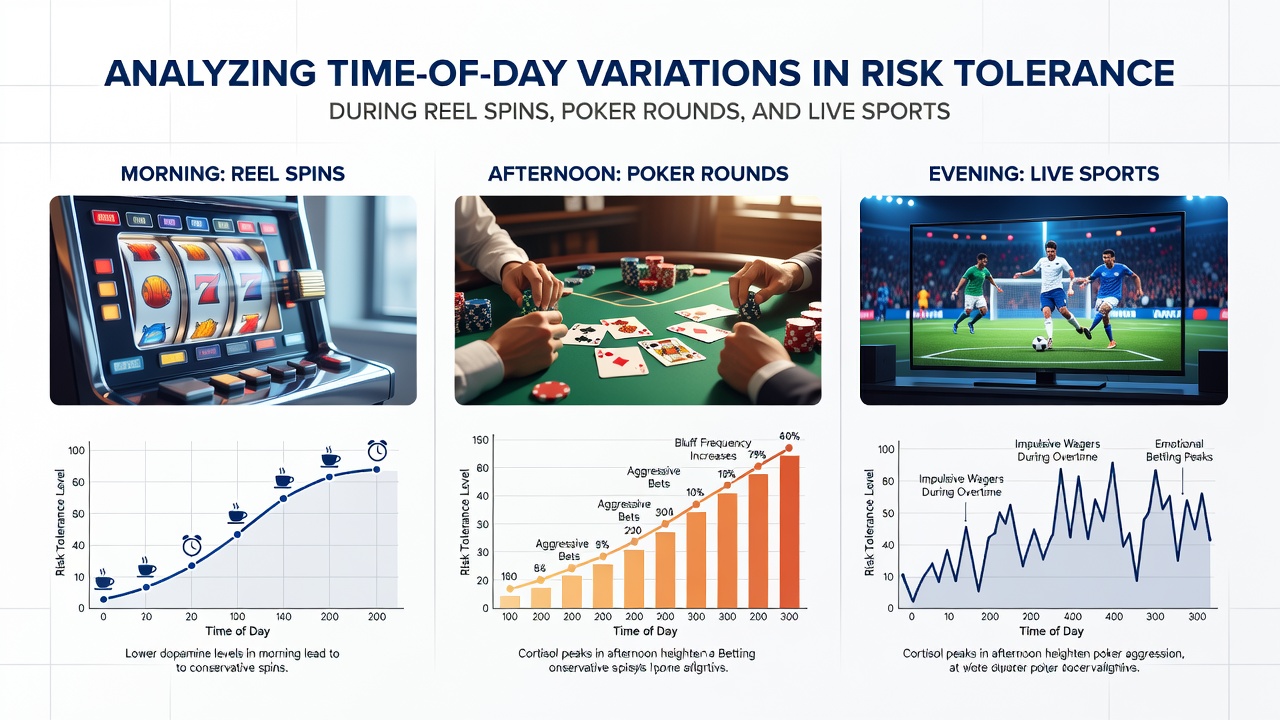
Daily cycles influence how players approach risk during reel spins, poker rounds, and live sports wagers, with data revealing consistent hourly shifts that operators and analysts track through behavioral metrics. Research from multiple jurisdictions shows morning sessions often feature smaller average bet sizes compared to late evening periods, while afternoon hours display mixed patterns depending on game type and participant demographics.
Core Mechanisms Behind Hourly Shifts
Studies examining transaction logs across integrated casino platforms indicate that risk tolerance peaks between 8 PM and midnight in many markets, yet early morning hours from 6 AM to 10 AM correlate with more conservative staking on both mechanical reels and digital tables. Observers note these patterns emerge because circadian rhythms affect attention spans and reward sensitivity, leading participants to adjust wager amounts accordingly while fatigue levels rise toward the end of extended sessions. Data compiled through September 2026 from North American and Asian venues further confirms that poker participants reduce raise frequencies after 2 AM, whereas sports bettors maintain steadier line selections until later in the night when live event volume increases.
Reel Spins Under Different Time Windows
Slot machine activity logs demonstrate that players insert lower denomination coins and activate fewer paylines during daytime hours, but switch to higher credit bets once evening entertainment crowds arrive. Figures released by the Nevada Gaming Control Board highlight a 15 to 22 percent rise in average spin value between 7 PM and 11 PM across major Strip properties, with similar escalations recorded at regional sites during comparable windows. Those who monitor reel performance metrics also report that bonus round triggers occur at steady rates, yet voluntary session lengths extend when risk appetite climbs in the later periods.
Poker Cycles and Decision Thresholds
Hand histories from both live and online rooms show that participants tighten opening ranges and fold frequencies more readily before noon, whereas post-dinner periods see expanded three-bet ranges and larger pot commitments. Researchers at the University of Nevada Reno documented these adjustments through anonymized data sets, noting that cognitive load metrics dip during mid-afternoon lulls before rebounding as night sessions progress. Live tournament structures amplify the effect because starting stacks remain fixed while perceived value of chips fluctuates with surrounding energy levels in the room.
Sports Wagers and Event Timing Overlaps
Betting exchanges and sportsbook ledgers reveal that in-play wagers on evening fixtures carry higher average stakes than morning or early afternoon markets, particularly when multiple leagues overlap in prime time slots. Australian gambling statistics compiled by the Department of Social Services indicate that live sports markets experience elevated liability thresholds after 6 PM local time, driven by increased television viewership and real-time data feeds that keep participants engaged longer. Pre-match lines placed earlier in the day tend toward smaller unit sizes, while accumulator bets grow in both number and stake value as the calendar day advances.
Cross-Platform Comparisons and Regional Data
Integrated resort operators tracking player cards across verticals observe that individuals who begin on slots in the afternoon frequently migrate to poker or sports desks later, carrying forward elevated risk parameters established during peak evening hours. Canadian provincial reports from the Alcohol and Gaming Commission of Ontario document parallel movements in multi-game venues, where session migration correlates with measurable upticks in total handle after sunset. Regulatory filings also note that responsible gaming tools record fewer voluntary limit adjustments during high-tolerance windows, suggesting external cues such as lighting and ambient sound play supporting roles alongside internal biological clocks.
Implications for Platform Design
Software providers adjust interface elements and promotional timing based on these hourly profiles, placing higher volatility game suggestions during periods when average bet sizes historically climb. Platform telemetry shows that push notifications for live sports events achieve greater conversion when scheduled after 8 PM, while slot tournament lobbies see stronger registration numbers in late morning slots when conservative play dominates. These adjustments stem directly from aggregated transaction data rather than assumptions, allowing systems to align feature availability with observed behavior across different time zones.
Conclusion
Hourly patterns in risk tolerance continue to shape activity across reel spins, poker rounds, and sports wagers, with datasets from September 2026 reinforcing earlier findings from multiple regulatory and academic sources. Operators integrate these insights into scheduling, interface changes, and compliance monitoring while researchers refine models that connect biological rhythms to betting sequences. The resulting frameworks support more precise resource allocation without altering underlying game mathematics or regulatory requirements.