How Physical and Social Environments Affect Risk Perception During Changes Between Game Types and Betting Options
Gisela Baumann · Oct 4, 2026

How Physical and Social Environments Affect Risk Perception During Changes Between Game Types and Betting Options
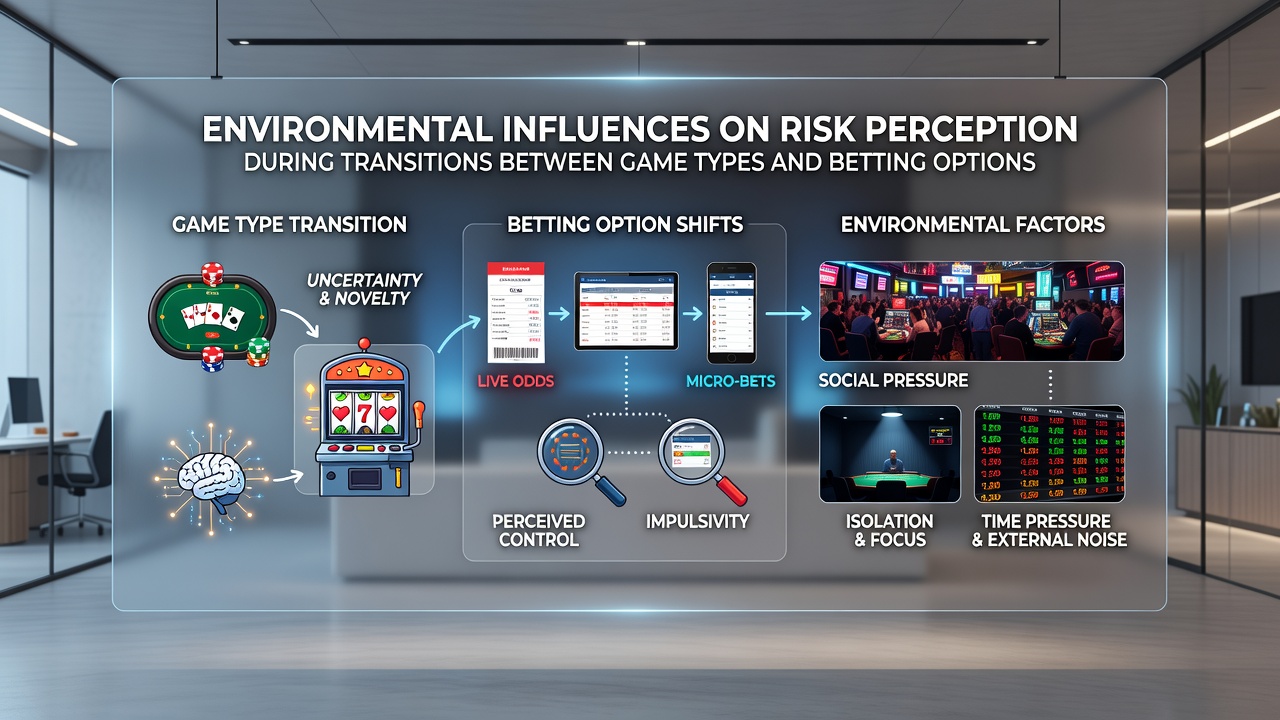
Research from multiple gaming jurisdictions shows that physical surroundings and social cues alter how individuals evaluate risk when they move between slot machines, table games, and sports betting markets, and data collected through October 2026 continues to highlight measurable patterns in these shifts.
Studies conducted at integrated resorts in North America and Asia indicate that lighting levels, soundscapes, and spatial arrangements correlate with changes in bet sizing and game selection, while researchers tracking player movements note that ambient noise and visual density often coincide with adjustments in perceived probability estimates.
Lighting, Acoustics, and Spatial Layout
Facilities equipped with zoned illumination report distinct variance in risk thresholds, because brighter sections near progressive jackpot banks tend to coincide with higher average wager amounts when players transition from low-stakes video poker, whereas dimmer sportsbook lounges show steadier but smaller increments during live event wagering.
Acoustic data gathered across properties in Nevada and New Jersey reveal that background music tempo and crowd volume associate with altered decision latency, and observers tracking session logs find that louder environments often align with quicker acceptance of odds displayed on digital boards when bettors switch from reel play to point spreads.
Social Density and Peer Influence
Player tracking systems document that higher table occupancy correlates with modifications in risk appetite, because individuals seated near active groups demonstrate different progression patterns when they move from solo slot rotations to multi-player poker formats, and similar effects appear in betting windows where visible queues influence stake distribution.
Analysis from the Nevada Gaming Control Board shows seasonal fluctuations in these behaviors, with October 2026 figures indicating elevated cross-product activity during peak evening hours when social clustering intensifies around central pit areas and large-screen viewing zones.
Temperature, Airflow, and Comfort Factors
Environmental control records from major properties demonstrate that slight variations in room temperature and airflow associate with session duration and game switches, because players who experience minor discomfort sometimes accelerate transitions toward faster-paced options such as live dealer tables or in-play sports markets.
Industry reports compiled by the American Gaming Association link these micro-climate conditions to measurable differences in average bet velocity, and longitudinal data sets confirm that optimized airflow zones maintain steadier risk calibration across multiple game categories.
Digital Overlays and Information Presentation
Modern venues integrate dynamic screens that display real-time odds alongside physical game floors, and researchers note that the placement and refresh rate of these displays coincide with shifts in probability weighting when users alternate between mechanical reels and event-based wagers.
Findings from academic partnerships with Canadian operators indicate that concise visual summaries positioned at transition points help standardize risk assessments, whereas cluttered or delayed information correlates with wider variance in stake adjustments during the same movement sequences.
Regulatory Observations and Cross-Jurisdictional Data
Reports issued by the Ontario Lottery and Gaming Corporation track environmental variables alongside player behavior metrics, revealing that venue redesigns completed before October 2026 produced measurable stabilization in risk perception scores across slot-to-table and table-to-sports transitions.
Similar patterns emerge in data released by the Australian Gambling Research Centre, where spatial flow studies link clearer wayfinding signage to reduced volatility in bet sizing when individuals change product categories within a single visit.
Conclusion
Collective evidence from regulatory filings, academic partnerships, and operational analytics demonstrates that environmental elements including lighting, acoustics, social density, and information display exert consistent influence on risk evaluation during game-type and betting-option transitions, and ongoing collection of October 2026 metrics continues to refine understanding of these interactions across global markets.